



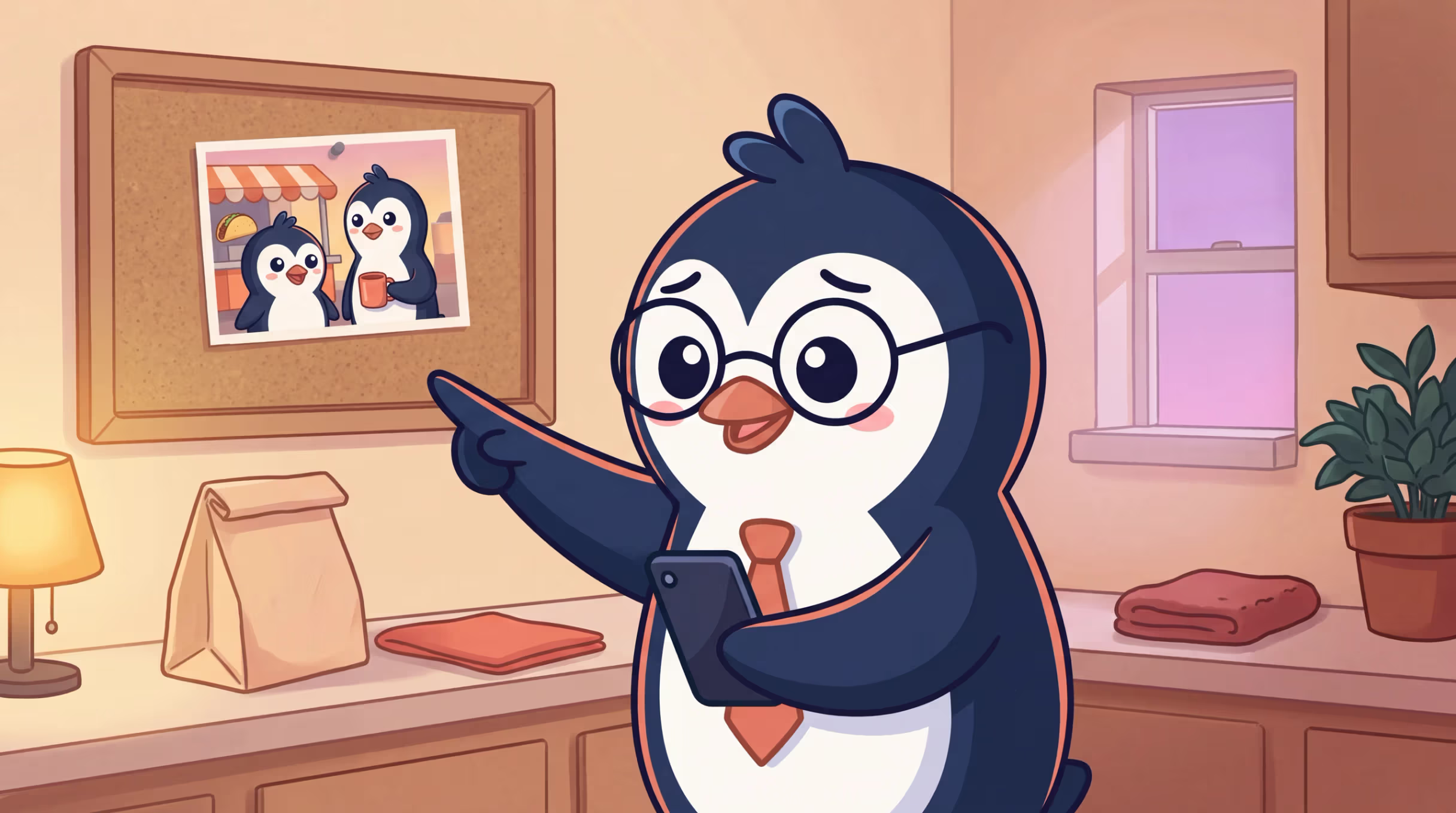
You know when something suddenly brings back a memory of an old friend? It could be a song that starts playing or an old photo that pops up on your phone. Whatever it is, it’s got you thinking about reaching out and saying hello after all these years. The thing is, you want to make it easy for them to respond, so you’re looking for a simple first text that’ll start the conversation.
Here’s a sample to adapt to a memory that you actually share, something that feels real and meaningful to you both.
This way of reconnecting with someone can work well. It gives you a genuine reason to reach out, and it doesn’t get bogged down in why you lost touch in the first place. Instead, it puts the focus on them and what they’re doing now. In the next part, we’ll look at how to make this approach work for you, depending on why you lost touch and how they respond when you get back in touch.
Choose a first text that fits why you drifted apart
When a friendship slowly drifts apart, the way it ends can set the tone for your first message when you’re ready to reconnect. Let’s consider a few hypothetical scenarios to get a sense of how this works. To make your message more meaningful, try adding a personal touch that’s unique to your friendship: something that only the two of you share, an inside joke or a memorable moment that’s just between you. This can help you reconnect on a deeper level and make your message feel more sincere. If your friend is open to it, this may help you rekindle the bond you once had and start a new conversation that feels natural and effortless.
Life moved you in different directions. If contact faded as your lives changed and nobody was hurt, a friendly hello can be enough.
A question tied to a shared memory gives them an easy first line to write back.
You were the one who went quiet. If you stopped responding to someone’s messages all of a sudden, just a quick acknowledgment can make a big difference. This shows the other person you’re still around and care about what they’re saying, without making them think they need to have a deep conversation or comfort you. By doing this, you’re being considerate of the other person’s feelings. A simple sentence can go a long way in reopening the conversation, so keep the acknowledgment that short.
When things were tense before the silence, it’s a good idea to own up to a small disagreement and acknowledge your role in it. Try to keep things light and don’t get too caught up in the details. Save that for a calmer moment, if it even needs to be discussed. Sometimes, just recognizing the issue and taking some blame can help ease the tension.
That last line is really important because it provides a clear and polite way for them to decline or say no to something.
What to leave out of the first text
A message that comes after a long silence can have a big impact, even if it’s short. There are a few things that make it feel heavier.
- A long life recap. Don’t feel like you have to tell your entire story unless someone asks for more information.
- Guilt-heavy openers like “I’m the worst friend ever.” They push the other person into reassuring you.
- An immediate ask. When you contact someone to ask for a favor, ask for a job lead, or make a sales pitch, it can look like that’s the real reason you’re reaching out. This can be a turnoff, making the rest of your message seem fake. It’s like you only care about getting something from them. Think about it: if someone only talks to you when they want something, how does that make you feel? It’s probably not great. A better approach might be to start with a genuine conversation, show some interest in the other person, and then bring up what you need. That way, it doesn’t feel like you’re just using them for your own gain.
- Questions that demand a big answer, such as “So what’s happened in the last five years?”
Make sending easier by warming up first
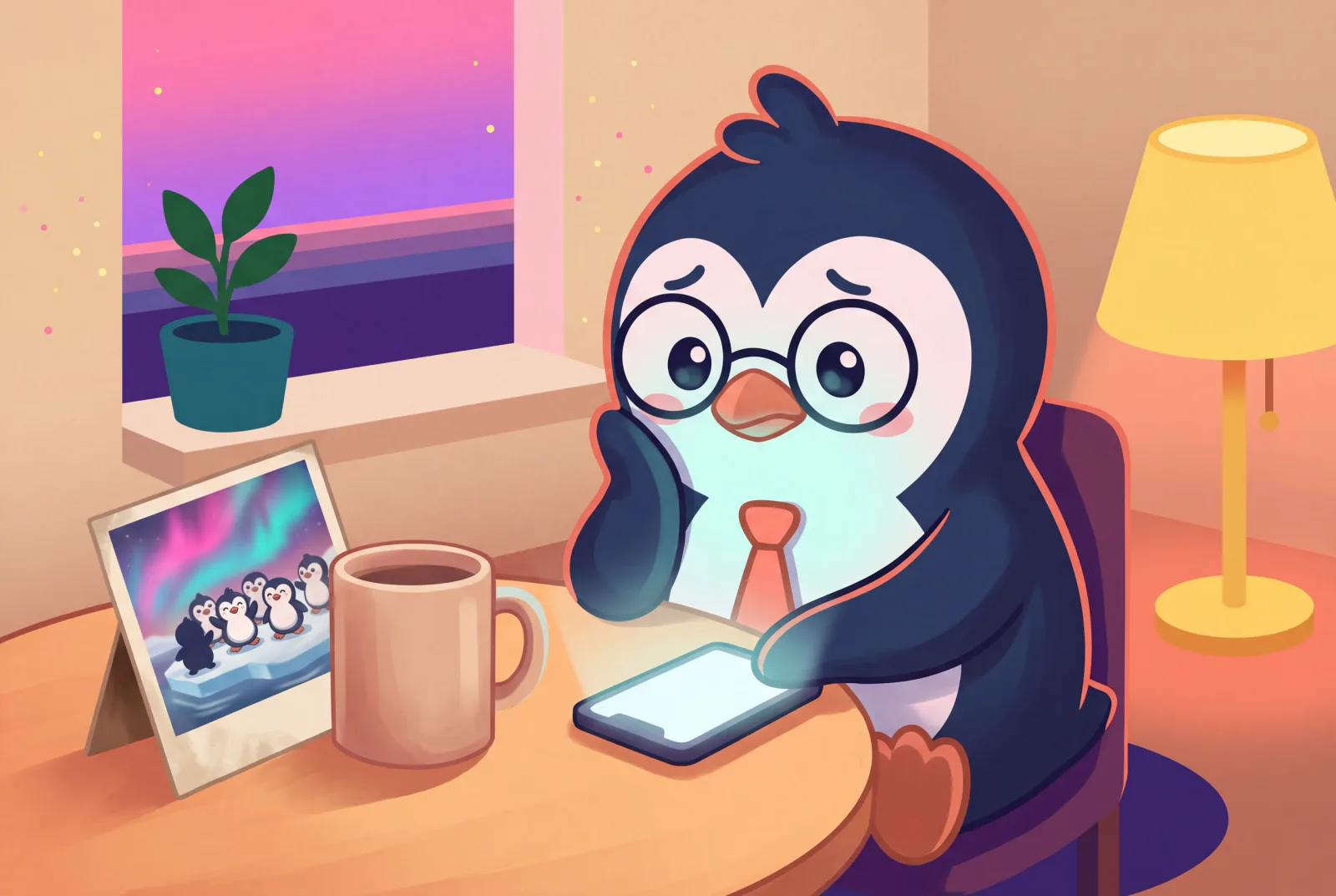
Reconnecting with old friends can be tough for many of us. Scientists have actually looked into this hesitation to reach out. One study, from Aknin and Sandstrom’s paper People are surprisingly hesitant to reach out to old friends, had some interesting findings. They tried an experiment on a university campus in the UK, where they randomly assigned 194 people to spend three minutes either messaging several friends or acquaintances they already talk to or scrolling through social media. Then, they asked everyone to message an old friend. What they found out was pretty cool: about half of the people who were chatting with current friends actually did reach out to an old friend, but only about three in ten of the people who were browsing social media did. This suggests that talking to the friends we already have can actually make us more likely to message old friends too. It’s like, when we’re already in a talking-to-friends mode, it may be easier to reach out to others we’ve lost touch with.
A short warm-up helped more people reach out1
194 participants spent three minutes on one of these activities before being invited to message an old friend.
Participants who sent a message to an old friend
Reaching out to old friends can be a bit tricky. You’re not really sure how they’ll react. But here’s an editorial suggestion that might help. If you’re thinking of sending a message to someone you haven’t talked to in a while, try responding to a message from a friend you regularly talk to first. It gives you a chance to practice messaging first. Once you’ve done that, you might find it easier to reach out to the old friend. It’s not a guarantee, of course. Everyone’s different. But it could make a difference. The idea is to get yourself in the right mindset for messaging. So, go ahead and reply to that familiar friend, and then see how you feel about reaching out to the other one. It might just make things a little less awkward.
We often don’t realize how much someone values hearing from us. In preregistered experiments, Liu and colleagues found that when we take the time to reach out to someone, they usually appreciate it more than we expect. Of course, those studies didn’t focus on situations where things have gone wrong or someone needs time to themselves. But in general, it’s a good idea to make an effort to connect with others, as long as we’re respectful of their limits. By doing so, we can build stronger relationships and show people that we care. It’s all about being considerate of the other person’s feelings and boundaries, while still being willing to reach out and make contact.
If they reply warmly
Match their energy and move toward a real conversation. Answer what they asked, ask one thing back, then suggest a call or coffee with a specific time.
When you want to talk to someone, it’s really helpful to pick a specific time instead of just saying “we should talk soon”. This way, you both know exactly when you’re going to talk, and it’s easier to make it happen. If you’re feeling a little nervous about the call, don’t stress. Just plan to keep it short. You could say something like “let’s chat for 20 minutes and see how it goes”; that way, you’re not stuck on a long call if you’re not feeling it, and you can always talk more later if you want to.
If they reply briefly
It’s not always easy to figure out what someone really means when they send a short message like “Hey, good to hear from you, hope you’re well”. They could be really busy, not sure how to respond, or just being nice. Since you can’t tell for sure from just one line, the best thing to do is respond once in a friendly way, leaving the door open for more conversation without making them feel like they have to talk more. This way, you’re being warm and welcoming without putting any pressure on them. You’re basically saying “hey, I’m here if you want to chat, but no big deal if you’re busy”. It’s a good way to keep things casual and see if they want to talk more.
Don’t try to force things to happen. Just go with the flow and see what the other person does. If they seem interested and want to keep the conversation going, then you can follow their lead. But if they’re not really responding, don’t keep pushing it. Just leave the door open and let them decide what they want to do next. Don’t try to figure out what they’re thinking or feeling. Just give them space and let them make their own decision.
If they don’t reply
People may not reply for many reasons. Maybe they got a new phone number, didn’t see our message, or are dealing with some tough stuff. Sometimes, they just don’t want to talk to us again. The problem is, there’s no firm research-backed rule for how long we should wait or how many times we should try to reach out. But as editorial guidance, here’s what we can do: wait a few weeks, like two or three, and then send one last gentle message to see how they’re doing. That’s it. We shouldn’t keep bothering them after that.
It’s great that you want to reach out to your friend, but sometimes less is more. Sending one or two messages is enough, and it’s better to stop there. If you keep sending more, it can start to feel like you’re putting pressure on them, and that can be really uncomfortable. Plus, if you give them space, it’s easier for them to respond when they’re ready, and it will feel more natural for both of you.
When you shouldn’t send the text
If you’re not sure if someone wants to hear from you, try asking a mutual friend you trust what they think. They might have a better idea if your message will go over well. Just ask them to be honest with you, and don’t ask them to pass on the message. You just want their opinion. This way, you can get a sense of how your message might be received without putting your friend in an awkward spot.
Your next step
Think back to a time when you and your friend shared a special moment. It could be something funny, exciting, or just a quiet moment that’s stuck with you both. Pick the sample closest to your situation and swap in that memory. Use one detail from it, like what you were doing or where you were. Then, reply to a current friend or two before you reach out to your old friend and see what happens. You could send them the message. If you’re feeling nervous, you can even practice what you want to say in Quippy ahead of time. Maybe you’ll end up talking on the phone and catching up on old times. Who knows, it could be the start of a great conversation.
Sources and references
- Aknin & Sandstrom (2024). People are surprisingly hesitant to reach out to old friends. Communications Psychology, Study 7.One campus experiment, 194 participants. Measured whether people sent a message, not whether the friendship restarted.